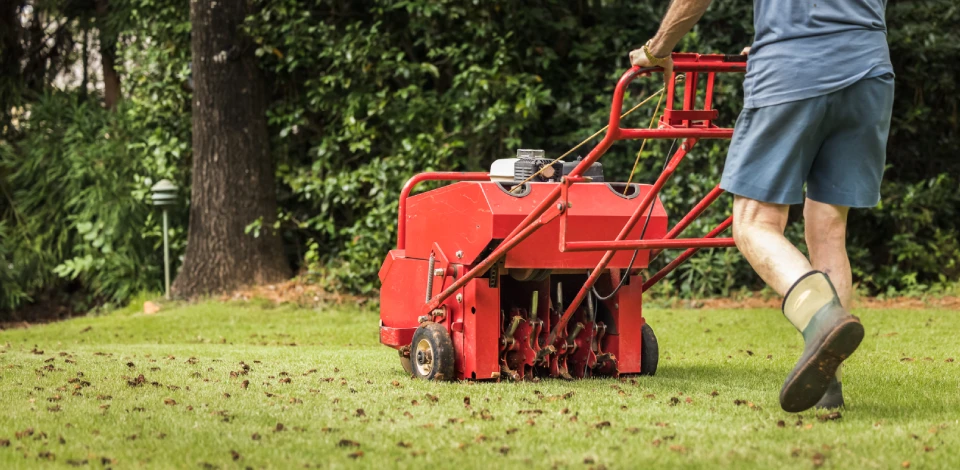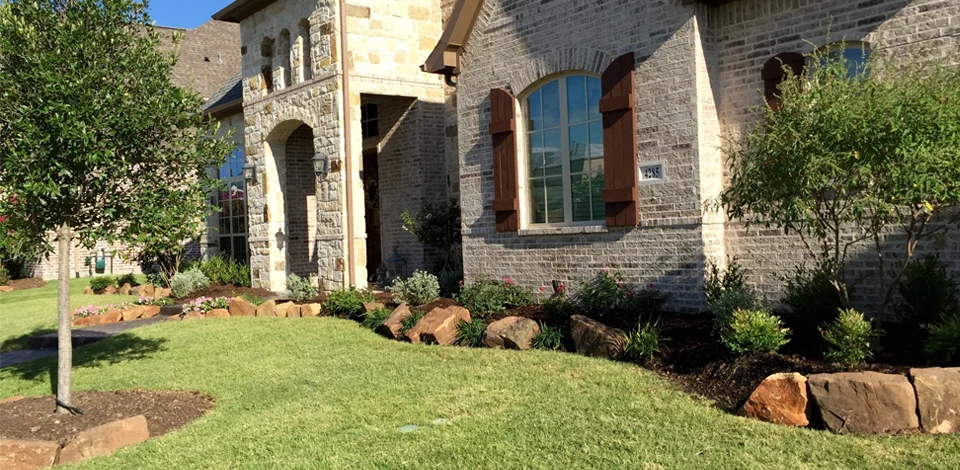
In McKinney, aerate and overseed your lawn between mid-September and mid-October. Use a core aerator to punch holes 2-3 inches deep in compacted areas, spread 4-6 pounds of seed per 1,000 square feet, and water lightly once or twice a day until the grass comes up. Wait until it’s about 3 inches tall before you mow it.
Fall is one of the best windows to aerate and overseed your lawn so it returns healthy and lush in spring. By loosening compacted soil, improving oxygen and water penetration, and introducing robust new seed now, your lawn builds resilience over winter. This guide walks you through what to do, when, and how with practical tips for fall lawn aeration in McKinney, TX, and overseeding grass across the DFW area.
Why Autumn Is Ideal for Aeration & Overseeding (Especially in North Texas)
Fall offers the perfect balance of soil warmth, cooler air temperatures, and reduced competition from weeds, which makes it the most effective season to aerate and overseed. If you’re in North Texas, these conditions can give your lawn a major advantage heading into winter and a stronger start in spring. Here’s why timing matters and what makes fall the smart choice for long-term turf health.
- Soil is still warm enough for many grass seeds to germinate, while air temperatures start cooling
- Rainfall is often more reliable, which reduces stress on new seedlings
- Weed competition is dropping, giving your new grass a better start
- Your turf can develop deeper roots before winter dormancy sets in
- In North Texas’s transition zone, homeowners often overseed warm-season lawns with cool-season rye or fescue in fall to maintain color
Step-by-Step Guide
Getting great results from fall aeration and overseeding depends on doing each step properly. Whether you’re a DIYer or preparing your lawn for a professional service, follow these clear steps to ensure strong germination, healthy roots, and a greener lawn next season.
Assess Your Lawn
- Walk the yard to spot compacted or worn areas like walkways or play zones
- Check soil moisture. You want it damp but not saturated
- Mow slightly lower than usual (but do not scalp) so the seed gets better light and soil contact
Aeration
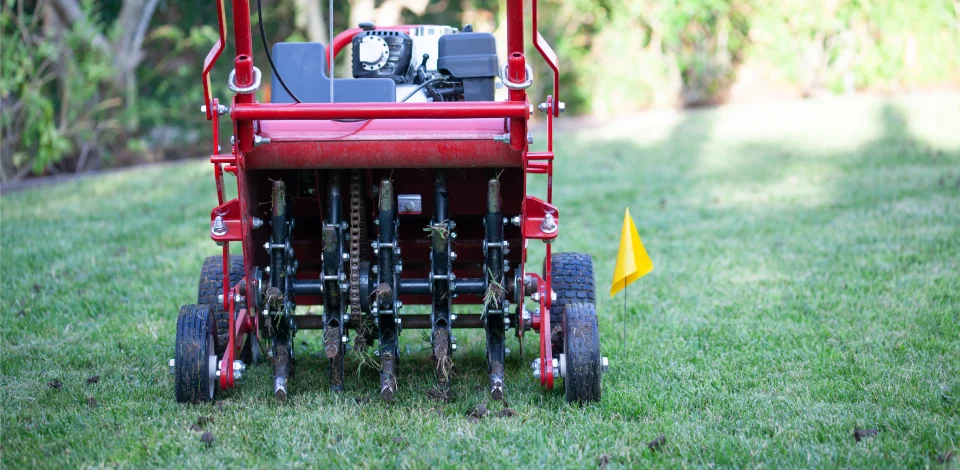
- Use a core aerator (plug type), which works better than spike aeration
- Focus on compacted zones and high-traffic areas
- Make overlapping passes to ensure full coverage. Aim for holes 2 to 3 inches deep and spaced 4 to 6 inches apart
Overseeding
- Choose a grass seed blend suited to your region. Rye, fescue, or a transition mix works well in North Texas
- Apply at 4 to 6 pounds per 1,000 square feet, increasing the rate for bare areas
- Spread evenly using a broadcast or drop spreader in a crisscross pattern
- Overseeding grass in the DFW area helps fill bare spots, improve turf density, and boost curb appeal well into the cooler months
Topdressing & Raking
- Lightly rake to press the seed into the soil
- Add a thin layer (one-quarter to one-half inch) of compost or quality topsoil to protect seeds and improve soil contact
Watering Schedule
- Water lightly one to two times per day until seedlings emerge
- Gradually reduce frequency and water deeper to promote root development
Fertilization
- Use a starter fertilizer that fits your soil’s needs
- Check local phosphorus regulations or choose a balanced formulation with micronutrients
- Apply carefully to avoid burning new grass
Mowing New Grass
- Wait until seedlings are about 3 inches tall before mowing
- Set the mower height slightly higher than usual
- Never remove more than one-third of the blade at a time
Looking for help beyond aeration and seeding? Explore our landscape maintenance services for full fall turf care.
Tips & Troubleshooting
Even with proper planning, a few common issues can pop up during fall lawn care. Use these quick tips to fix problems fast and keep your lawn on track for healthy growth. Addressing small setbacks early can make a big difference in your lawn’s long-term results.
| Issue | Tip |
| Birds eating seed | Use straw netting or bird deterrents |
| Patchy growth | Reseed sparse areas and ensure seed-to-soil contact |
| Algae or mold | Reduce watering frequency and improve air flow |
| Heavy thatch | Lightly dethatch before aerating |
Pro Tip: Mark underground irrigation heads, wires, or utility lines before aerating to avoid damage.
When to Schedule It in North Texas
Mid-September through mid-October is typically the best time for overseeding in McKinney and surrounding areas. Waiting too long, such as into November, may not give seedlings enough time to establish before colder weather arrives. If you have warm-season grass like Bermuda, save aeration and overseeding for spring unless you want to overseed with a cool-season grass just for winter green.
Book Your Fall Lawn Care Package Today
Give your lawn the boost it needs before winter. Green Go Landscaping offers complete fall lawn care services, including aeration, overseeding, and fertilization. All services are tailored for North Texas lawns. Call 972-377-4727 or leave us a message through our contact us page to schedule your fall lawn care package and set your yard up for greener, healthier growth next spring.