If your grass looks thin, patchy, or just not as lush as it should, your soil might be holding it back. Lawn aeration could be the fix. By opening up the soil, aeration helps water, air, and nutrients reach deep into the roots. This gives your lawn what it needs to thrive.
Whether you’re dealing with compacted soil, thatch buildup, or just want a thicker, greener lawn, this simple process can make a big difference.
Aeration is one of the most effective ways to revitalize your lawn, especially when done at the right time.
What Is Lawn Aeration?
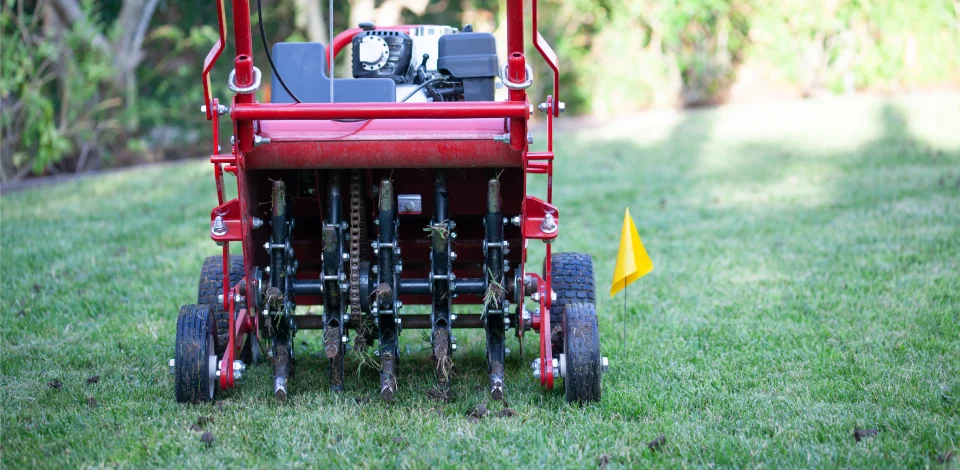
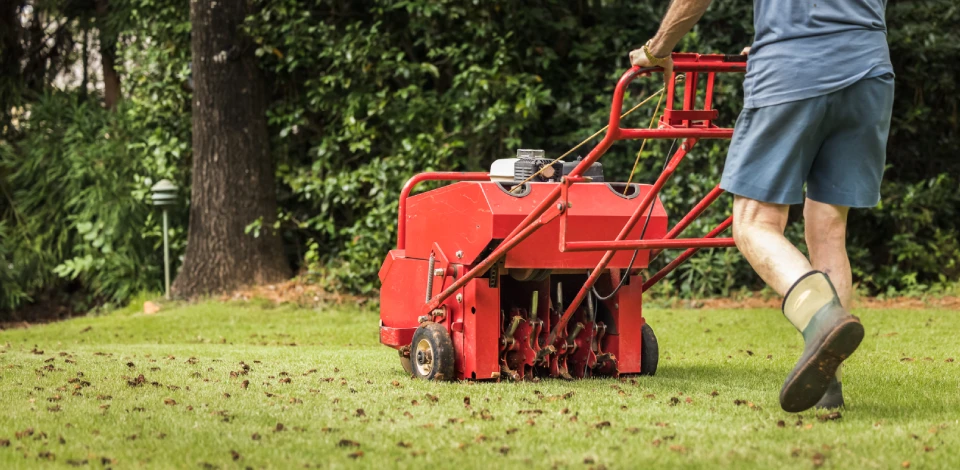
Lawn aeration is the process of creating small holes throughout your yard to break up compacted soil. These holes allow vital elements like oxygen, water, and nutrients to move freely into the root zone.
Over time, everyday use, heavy rainfall, and even just the type of soil you have can cause compaction. This limits root growth and makes your grass struggle to stay healthy.
Why You Should Aerate Your Lawn
Break up Compacted Soil
Foot traffic, lawn equipment, or naturally heavy clay soils can compact your lawn. Aeration loosens things up so roots can spread easily.
Improve Water Absorption
If water is pooling or running off instead of soaking in, compaction might be to blame. Aeration helps water reach where it is needed, at the roots.
Boost Nutrient Uptake
Your grass can’t thrive without nutrients. Aeration allows fertilizers and natural nutrients to penetrate more effectively.
Reduce Thatch Buildup
A thick layer of thatch can prevent water and nutrients from getting through. Aeration breaks it up and encourages decomposition.
Strengthen Lawn Health
Overall, aeration helps your grass grow deeper, thicker, and greener. It works best when paired with regular maintenance.
When Should You Aerate in McKinney, TX?
Timing matters. For the McKinney area and other parts of Texas, when you aerate depends on your grass type:
Warm-Season Grasses (like Bermuda or Zoysia):
Best time is late spring, once the grass is actively growing but before summer heat kicks in.
Cool-Season Grasses (like Fescue):
Aim for early fall, typically late August to early September, so your lawn has time to recover before winter.
Signs Your Lawn Might Need Aeration
- Water puddles in low spots or runs off quickly
- Grass looks thin or weak even after watering
- Soil feels hard to the touch
- You notice heavy thatch or poor drainage
- Your lawn sees a lot of foot traffic or equipment use
How to Aerate: 3 Options to Consider
Core Aeration
This method uses a machine to pull small plugs of soil from the ground. It is the most effective option for compacted lawns.
Spike Aeration
A simpler method that punches holes into the soil without removing plugs. It is easier and cleaner, but not as effective for deep compaction.
Liquid Aeration
Uses a spray solution to break down soil density. It is less invasive and great for regular maintenance, but results may be slower than core aeration.
What to Do After Aeration
Once you have aerated, water your lawn well and consider applying a high-quality fertilizer. This helps nutrients sink into the fresh holes and gives your lawn a boost during recovery.
Let Green-Go Landscaping Help You Grow Greener
Local Lawn Care Pros in McKinney, TX and Nearby Areas
Want better lawn results without the guesswork? At Green-Go Landscaping, we bring expert care, high-quality equipment, and a deep understanding of what North Texas lawns need. We are here to help with every part of your lawn’s health, including aeration.
Learn more about our lawn care services
Call us today at (972) 379-9300 to schedule a visit.